Highland cattle, with their iconic long horns and shaggy coats, are more than just picturesque additions to your farm—they’re hardy, low-maintenance animals perfect for sustainable agriculture. But choosing the right Highland cattle for your specific needs requires careful consideration. In this comprehensive guide, we’ll walk you through every step to ensure you select the perfect Highland cattle for your farm.
Understanding Highland Cattle Characteristics
Before selecting your Highland cattle, it’s essential to understand what makes this breed unique. Highland cattle are known for their:
- Exceptional hardiness in harsh weather conditions
- Low maintenance requirements compared to other breeds
- Excellent foraging abilities on rough pasture
- Gentle temperament and ease of handling
- High-quality, lean beef production
Define Your Farming Goals
The first step in choosing the right Highland cattle is clarifying your objectives. Are you looking for:
- Beef production: Focus on animals with good conformation and growth rates
- Breeding stock: Prioritize pedigree, genetics, and show potential
- Land management: Select animals based on grazing efficiency and hardiness
- Dual purpose: Balance between meat quality and breeding potential
Key Factors to Consider When Selecting Highland Cattle
1. Age and Sex Considerations
Your choice between calves, yearlings, or mature animals depends on your experience level and timeline:
- Calves: Lower initial cost but require more time to reach maturity
- Yearlings: Good balance of cost and development time
- Mature cows/bulls: Immediate production but higher initial investment
- Heifers vs. Steers: Consider whether you want breeding animals or meat production
2. Health and Genetics
Always prioritize healthy animals with good genetics:
- Request health records and vaccination history
- Check for clear eyes, shiny coat, and alert demeanor
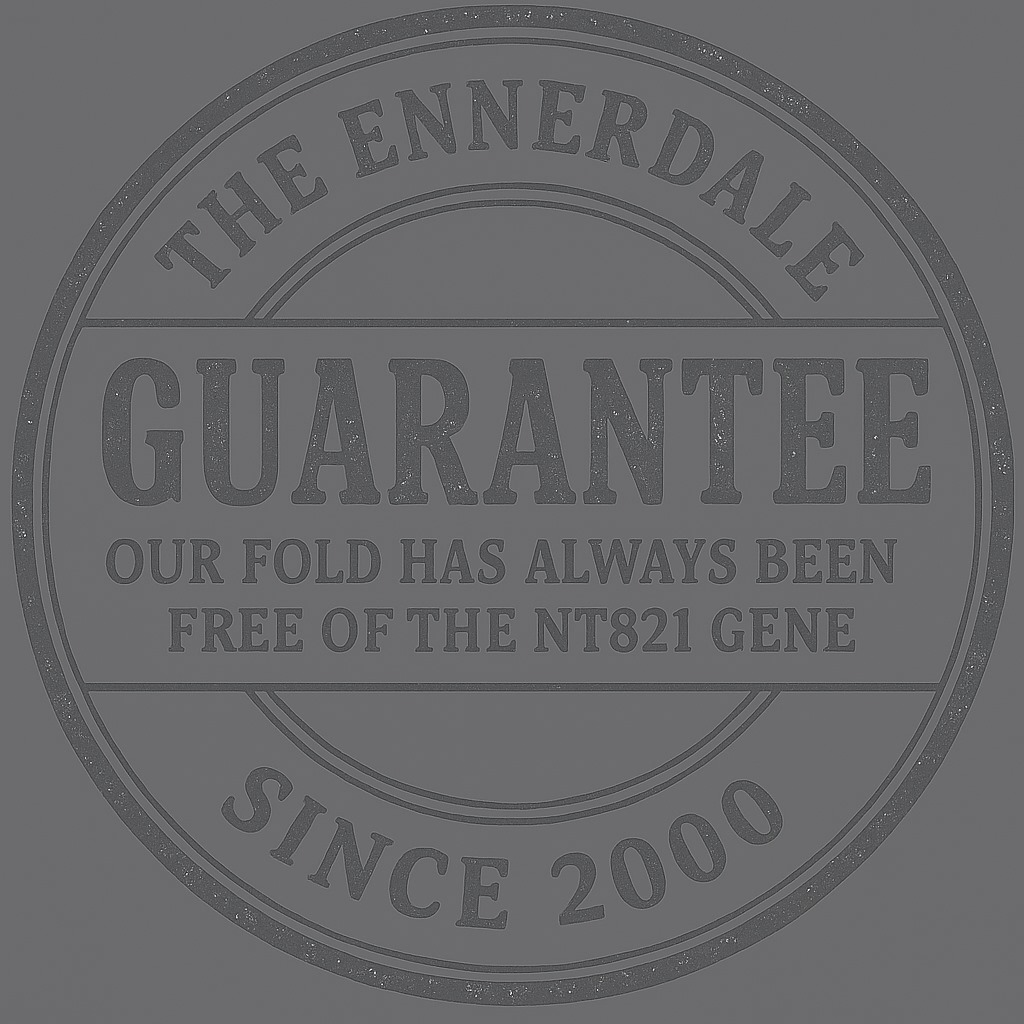
- Inquire about genetic testing for common Highland cattle traits
- Ask about the animal’s lineage and any known genetic issues
3. Temperament and Handling
Highland cattle are generally docile, but individual temperaments vary:
- Observe how animals interact with their herd and handlers
- Look for calm, curious animals rather than skittish ones
- Consider your experience level—beginners may want gentler animals
- Ask the breeder about each animal’s handling history
4. Physical Characteristics
Look for these physical traits in quality Highland cattle:
- Well-proportioned body with good depth and length
- Strong, straight legs with good bone structure
- Proper horn development (not too close to the head)
- Thick, double coat for weather protection
- Good muscling for meat production
Finding Reputable Highland Cattle Breeders
Choosing the right breeder is as important as selecting the right animal:
- Look for breeders registered with Highland cattle associations
- Visit farms in person to see conditions and meet the animals
- Ask for references from previous buyers
- Check online reviews and breeder reputations
- Ensure breeders provide proper documentation and support
Budget Considerations
Highland cattle prices vary based on several factors:
- Pedigree and show quality
- Age and sex of the animal
- Geographic location and market demand
- Time of year (prices often higher in spring)
- Additional costs: transportation, veterinary checks, initial supplies
Preparing for Your New Highland Cattle
Before bringing your Highland cattle home:
- Ensure proper fencing (Highlands are strong and curious)
- Prepare adequate shelter and feeding areas
- Establish a relationship with a large animal veterinarian
- Plan for quarantine if introducing to existing herds
- Have necessary handling facilities ready
Making the Final Decision
When you’ve narrowed down your choices:
- Visit potential animals multiple times if possible
- Bring an experienced Highland cattle owner or veterinarian
- Trust your instincts about animal health and temperament
- Consider how each animal fits your specific farm environment
- Don’t rush—take time to make the right choice
Conclusion
Choosing the right Highland cattle for your farm is a significant investment that pays dividends for years to come. By considering your goals, evaluating animals carefully, and working with reputable breeders, you can select Highland cattle that will thrive on your farm and contribute to your agricultural success. Remember that patience and thorough research are your best tools in finding the perfect Highland cattle for your specific needs.
Whether you’re starting a new Highland cattle herd or adding to an existing one, following these guidelines will help ensure you make informed decisions that lead to healthy, productive animals and a successful farming operation.