Choosing the right Highland bull is one of the most important decisions a cattle breeder can make. Whether you’re looking to improve your herd’s genetics, enhance hardiness, or increase profitability, selecting the perfect bull requires careful consideration. In this comprehensive guide, we’ll walk you through everything you need to know to make an informed decision that will benefit your operation for years to come.
Understanding Highland Cattle Characteristics
Before you start evaluating individual bulls, it’s crucial to understand what makes Highland cattle unique. These Scottish natives are known for their:
- Exceptional hardiness in harsh climates
- Long, shaggy coats that provide natural insulation
- Gentle temperament despite their impressive appearance
- Excellent foraging ability on rough terrain
- High-quality, lean beef with excellent marbling
When choosing a bull, you want to select one that exemplifies these breed characteristics while also bringing specific strengths to your herd.
Key Factors to Consider When Selecting Your Highland Bull
1. Pedigree and Genetics
A bull’s pedigree tells the story of his ancestors and gives you insight into what traits he might pass to his offspring. Look for:
- Registered purebred status with recognized breed associations
- Strong maternal lines known for good mothering ability
- Proven sires with desirable traits in their progeny
- Genetic diversity that complements your existing herd
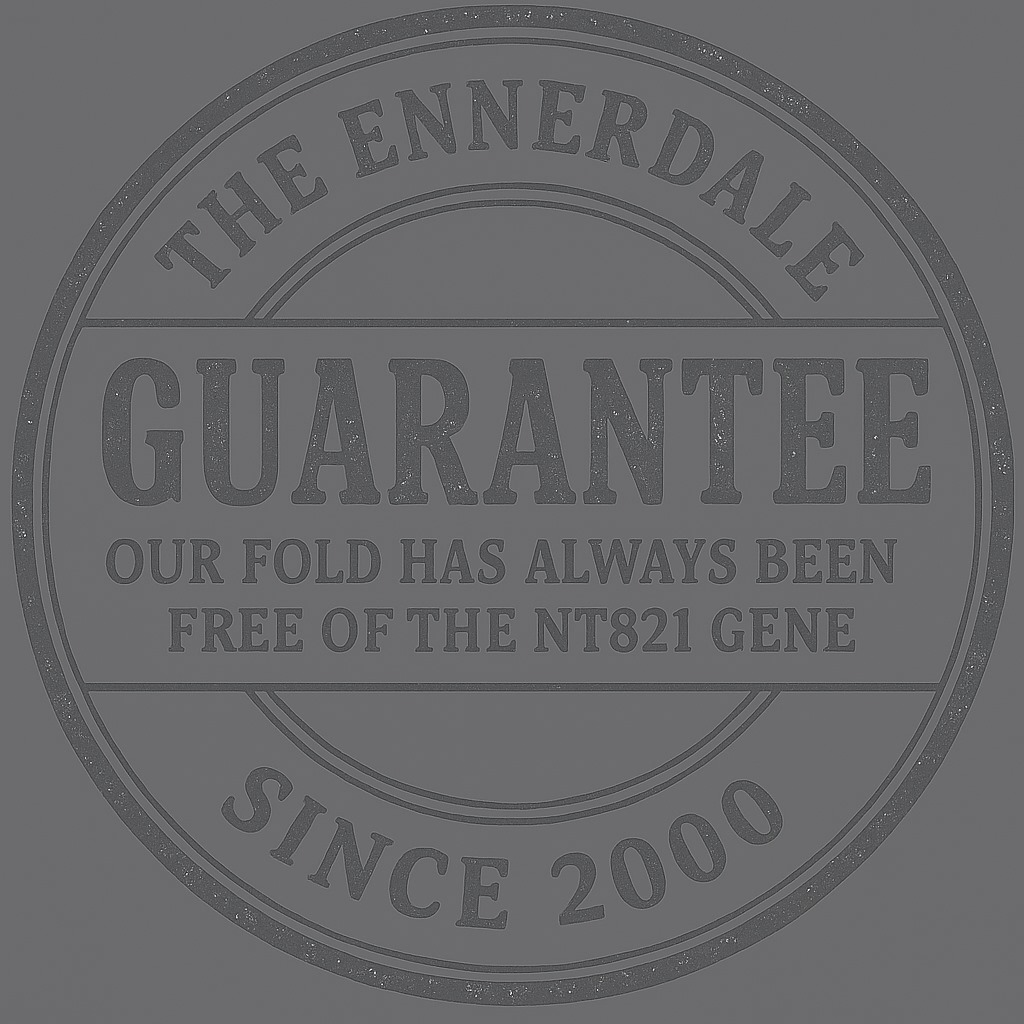
Ask the seller for pedigree papers and consider using genetic testing if available to identify carriers of undesirable traits.
2. Physical Conformation and Health
Physical examination is non-negotiable. A healthy Highland bull should display:
- Strong, straight legs with good bone structure
- Well-developed shoulders and hindquarters
- Correct feet and hoof structure
- Bright, clear eyes and alert demeanor
- Good body condition without being overly fat
- Proper horn development (if not polled)
Always request veterinary health certificates and vaccination records. Check for signs of lameness, respiratory issues, or skin conditions.
3. Temperament and Handling
Highland cattle are typically docile, but individual temperament varies. Observe how the bull interacts with:
- His herd mates
- Human handlers
- New environments
A bull with a calm, manageable temperament will be safer to work with and is more likely to pass this trait to his calves.
4. Breeding Soundness
For a bull to be worth the investment, he must be reproductively sound. Consider:
- Age-appropriate physical development
- Breeding soundness examination results
- Previous breeding history (if applicable)
- Scrotal circumference measurements
Many breeders prefer bulls between 18 months and 4 years old for optimal fertility and manageability.
5. Performance Data and EPDs
Expected Progeny Differences (EPDs) provide valuable data about a bull’s genetic potential. Look for information on:
- Birth weight (to avoid calving difficulties)
- Weaning weight (indicator of growth potential)
- Yearling weight (predictor of mature size)
- Maternal milk (important for heifer selection)
While EPDs are less common in Highland cattle than in commercial breeds, any available performance data can help guide your decision.
Where to Find Quality Highland Bulls
Finding the right bull starts with finding the right source:
- Reputable Breeders: Established Highland cattle breeders with proven track records
- Breed Association Sales: American Highland Cattle Association or regional Highland cattle sales
- Livestock Auctions: Specialized Highland cattle auctions with health guarantees
- Online Marketplaces: Verified platforms with seller ratings and reviews
Always visit the farm in person when possible to see the bull in his home environment and evaluate the overall herd quality.
Questions to Ask Before You Buy
Come prepared with these essential questions:
- What vaccinations and health treatments has the bull received?
- Can I see his pedigree papers and registration documents?
- What is his feeding regimen and nutritional history?
- Has he been bred before, and if so, what were the results?
- What is your farm’s biosecurity protocol?
- Do you offer any health or fertility guarantees?
- Can you provide references from previous buyers?
Transportation and Quarantine Considerations
Once you’ve selected your bull, proper transportation and quarantine are essential:
- Arrange professional livestock transportation if traveling long distances
- Ensure proper ventilation and space during transport
- Quarantine new arrivals for at least 30 days before introducing to your herd
- Monitor closely for signs of stress or illness during the adjustment period
- Provide familiar feed initially to ease the transition
Making Your Final Decision
Choosing the best Highland bull comes down to balancing multiple factors:
- Match the bull to your goals: Are you breeding for show, meat production, or herd improvement?
- Consider your herd’s needs: What traits are you trying to improve or maintain?
- Evaluate cost versus value: The cheapest bull isn’t always the best value long-term.
- Trust your instincts: If something doesn’t feel right, keep looking.
Conclusion
Selecting the perfect Highland bull requires research, observation, and careful consideration of both genetics and practical management factors. By focusing on pedigree, conformation, temperament, and breeding soundness, you can find a bull that will improve your herd and contribute to your breeding program’s success for years to come. Remember that the best bull for your neighbor might not be the best bull for you—choose based on your specific goals, environment, and herd needs.
Take your time, ask plenty of questions, and don’t hesitate to seek advice from experienced Highland breeders. The right bull is out there, and with this guide, you’re well-equipped to find him.