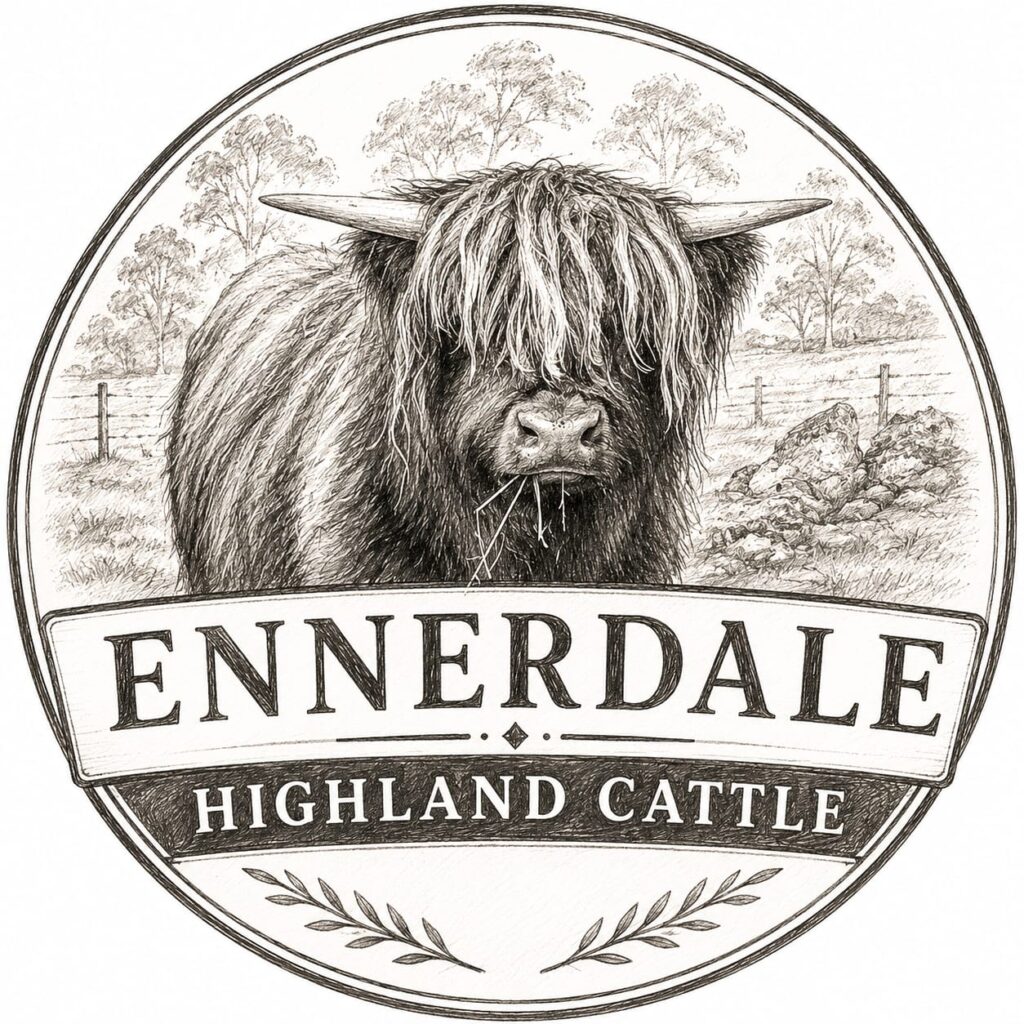
If you’re considering adding Highland cattle to your farm, you’re looking at one of the most rewarding and picturesque livestock experiences available. Known for their long horns, shaggy coats, and gentle demeanor, Highland cattle are more than just beautiful animals—they’re hardy, efficient grazers perfect for sustainable farming. This beginner’s guide covers everything you need to know to start breeding Highland cattle successfully.
Why Choose Highland Cattle?
Highland cattle, originally from Scotland, are exceptionally well-suited to harsh climates and rugged terrain. Their double-layered coat provides insulation against cold and rain, reducing the need for expensive shelters. They’re also excellent foragers, thriving on pasture that other breeds might avoid, which can lower your feed costs significantly.
Getting Started: What You Need
Before bringing home your first Highland cattle, ensure you have the proper setup:
- Pasture and Fencing: Highland cattle need ample grazing space—typically 1-2 acres per animal. Sturdy fencing is essential, as their horns can challenge weak barriers.
- Shelter: While Highlands are tough, provide a simple shelter or windbreak for extreme weather.
- Water Source: Clean, accessible water is crucial year-round.
- Initial Stock: Start with a small herd of 2-3 animals, ideally including at least one experienced cow.
Breeding Basics for Beginners
Highland cattle have a gestation period of about 9 months, similar to other beef breeds. They’re known for easy calving, with cows often giving birth unassisted. To breed successfully:
- Introduce a bull to the herd during breeding season (often late summer to fall).
- Monitor cows for signs of heat and ensure they’re in good health before breeding.
- Provide extra nutrition during late pregnancy and lactation.
Health and Management
Highlands are generally low-maintenance, but routine care is vital:
- Hoof Care: Regular trimming prevents lameness, especially if pastures are soft.
- Parasite Control: Implement a deworming schedule based on veterinary advice.
- Vaccinations: Follow a standard vaccination protocol for cattle in your region.
- Coat Maintenance: Their shaggy coats rarely need grooming, but check for mats or debris in wet conditions.
Feeding and Nutrition
Highland cattle excel on grass-based diets. In most climates, quality pasture meets their nutritional needs for much of the year. Supplement with hay during winter or drought, and consider mineral blocks to address any deficiencies. Avoid overfeeding grains, as Highlands are efficient converters of roughage.
Marketing Your Highland Cattle
Whether you’re breeding for beef, breeding stock, or agritourism, Highlands offer multiple revenue streams:
- Beef: Highland beef is lean, flavorful, and sought after for its quality.
- Breeding Stock: Purebred Highlands can command premium prices.
- Eco-Tourism: Their striking appearance makes them popular for farm visits and photography.
Common Challenges and Solutions
Beginners might face a few hurdles:
- Handling Horns: Train cattle from a young age to respect handlers and use facilities designed for horned breeds.
- Finding a Breeder: Connect with reputable breeders through Highland cattle associations.
- Initial Costs: While purchase prices vary, remember that Highlands’ low maintenance often offsets upfront expenses.
Final Tips for Success
Start small, learn continuously, and network with other Highland cattle owners. Join organizations like the American Highland Cattle Association for resources and support. With proper planning, breeding Highland cattle can be a fulfilling venture that blends tradition with modern, sustainable farming.
Ready to begin? Research local regulations, visit working herds, and prepare your land. These majestic cattle might just be the perfect addition to your agricultural journey.